



 Landscaping
Artificial Grass vs Natural Lawn: A Comprehensive Comparison for Modern Properties
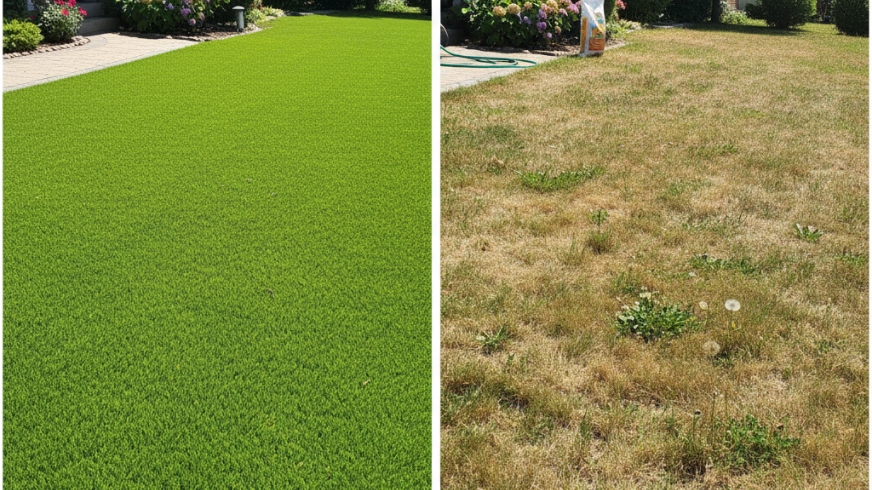
Choosing between artificial grass and natural lawn is one of the most important landscaping decisions for property owners today. While natural grass offers traditional beauty and environmental benefits, artificial turf provides year-round greenery with minimal maintenance. This comprehensive comparison examines both options to help you make an informed decision based on your specific needs, budget, and lifestyle.
Modern artificial grass has evolved significantly from its early versions, now featuring realistic textures, color variations, and advanced drainage systems. High-quality synthetic turf typically consists of polyethylene or polypropylene blades, a thatch layer for natural appearance, and a permeable backing for water drainage. Natural lawns, while traditional, require specific soil conditions, regular watering, and consistent maintenance to thrive. The choice between these two options depends on factors like climate, usage patterns, maintenance capability, and environmental considerations.
The perfect lawn doesn't have to be natural. Today's artificial grass offers year-round beauty without the water, chemicals, or constant maintenance that natural lawns demand. It's not just an alternative—it's an upgrade for modern living.
Landscaping Specialist
Maintenance requirements represent the most significant difference between these options. Natural lawns demand weekly mowing during growing seasons, regular watering (approximately 1-1.5 inches per week), seasonal fertilization, weed control, aeration, and pest management. Artificial grass requires occasional brushing to maintain blade orientation, rinsing to remove dust and debris, and infill redistribution every 1-2 years. While artificial grass has higher initial costs, it eliminates ongoing expenses for water, fertilizers, pesticides, and lawn equipment, typically paying for itself within 3-5 years in reduced maintenance costs.
Environmental impact is a crucial consideration. Natural lawns contribute to oxygen production, carbon sequestration, soil health, and provide habitats for microorganisms. However, they require significant water resources (especially in arid regions), chemical fertilizers and pesticides that can runoff into waterways, and gas-powered equipment that produces emissions. Artificial grass eliminates water usage (saving approximately 22,000 gallons per 1,000 square feet annually), requires no chemicals, but is made from petroleum-based products and has disposal challenges at end-of-life (typically 15-20 years). Some modern artificial grasses now incorporate recycled materials and are themselves recyclable.
Cost Analysis: Initial Investment vs Long-Term Savings
The financial comparison reveals interesting insights. Artificial grass installation costs range from ₹200-₹500 per square foot depending on quality, site preparation needs, and additional features like drainage systems or shock pads. This includes ground preparation, weed barrier installation, base material (usually crushed rock), and professional installation. Natural lawn establishment costs ₹50-₹150 per square foot for sod or ₹20-₹50 for seed, plus soil preparation and initial fertilization. However, artificial grass provides 15-25 years of use with minimal ongoing costs, while natural lawns incur annual maintenance expenses of ₹50-₹100 per square foot for water, mowing, fertilizers, and other care requirements.
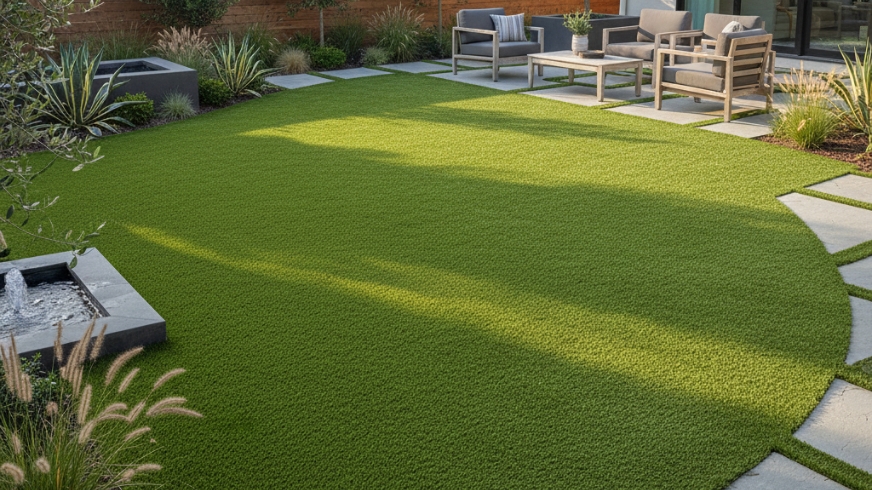
1.Durability and Usage Considerations: Artificial grass excels in high-traffic areas, pet zones, and play areas where natural grass struggles. It maintains its appearance regardless of foot traffic, pet use, or weather conditions. UV-stabilized fibers prevent fading, and proper drainage systems (handling 50-60 inches of rain per hour) prevent waterlogging. Natural lawns can develop bare spots, require recovery periods after heavy use, and go dormant in extreme temperatures. For sports fields, playgrounds, or commercial properties with constant use, artificial grass often proves more practical despite higher initial investment.
2.Aesthetics and Seasonal Performance: Modern artificial grass offers remarkable realism with multi-tonal blades, varying blade lengths, and brown thatch layers mimicking natural grass. It remains perfectly green year-round, unaffected by droughts, frost, or excessive rain. Natural lawns change with seasons—lush in monsoon, potentially dormant in summer, and muddy during heavy rains. While some prefer natural grass's authentic feel and seasonal changes, others appreciate artificial grass's consistent perfection. Climate plays a crucial role: in water-scarce regions or areas with water restrictions, artificial grass becomes increasingly attractive despite higher upfront costs.


Pranov Sharma
10 July, 2025 04:30pmSwitched to artificial grass last year and couldn't be happier! Our water bill reduced by 40% and the lawn looks perfect year-round. Best decision for our busy family.
Rohan Mehta
12 July, 2025 11:20amAs a landscape architect, I recommend considering your local climate. In water-scarce areas, artificial grass makes sense, but nothing beats natural grass's environmental benefits where water is abundant.
Ananya Reddy
14 July, 2025 09:15pmWe installed artificial grass in our children's play area. It's safe, clean, and always ready for use. No more muddy shoes in the house during monsoon season!